
Otitis Media
What is otitis media?
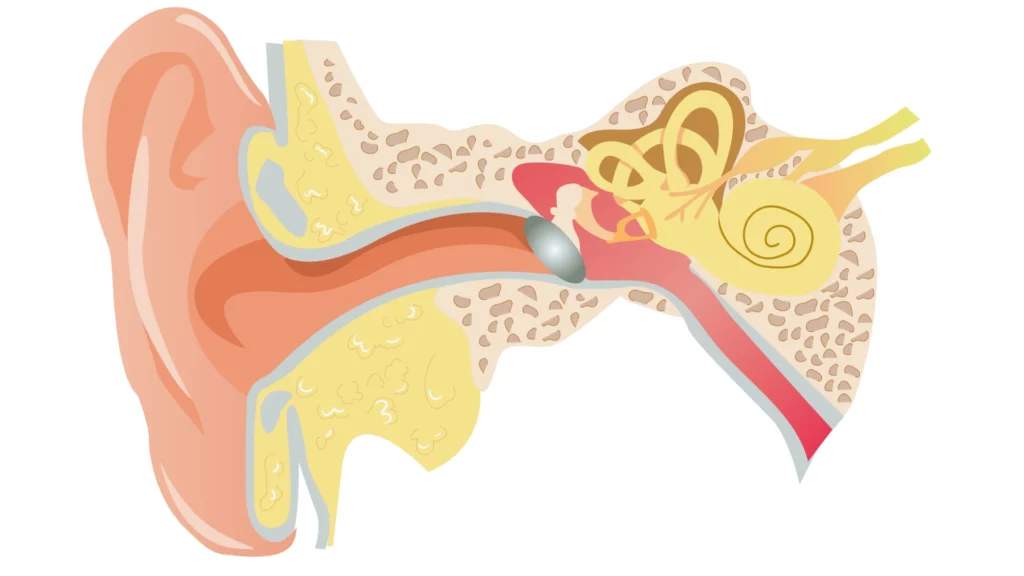
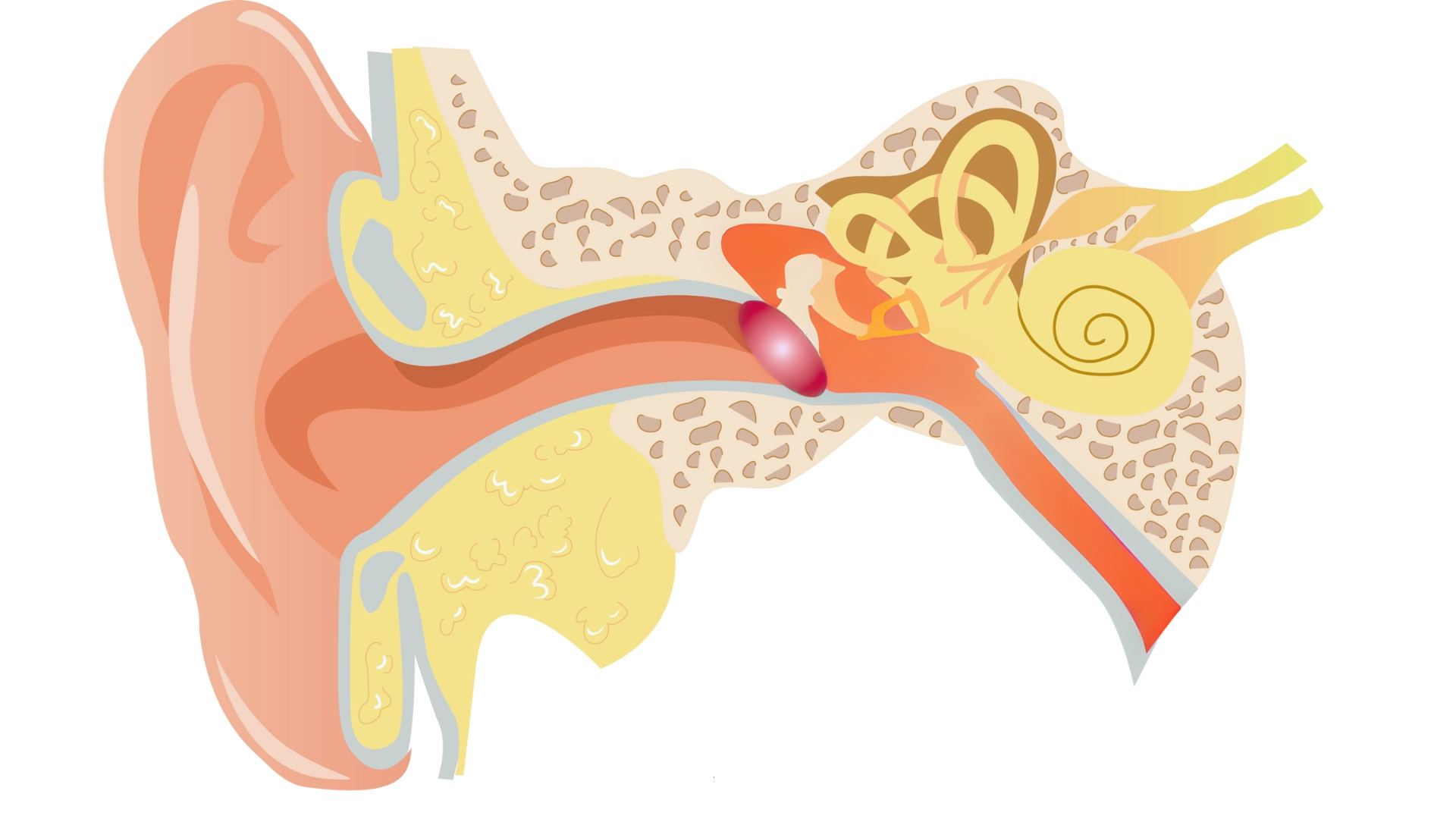
Otitis media is a common infection in babies and young children. It develops in the cavity behind the eardrum, in the middle ear. This area, which is normally filled with air, can become infected as a result of a cold or respiratory infection. Fluid builds up, causing pain, fever, and discomfort.
In the anatomical cross-sections below, you can compare a healthy ear with the area of the ear where otitis media occurs (between the eardrum and the inner ear).
The different forms of otitis media
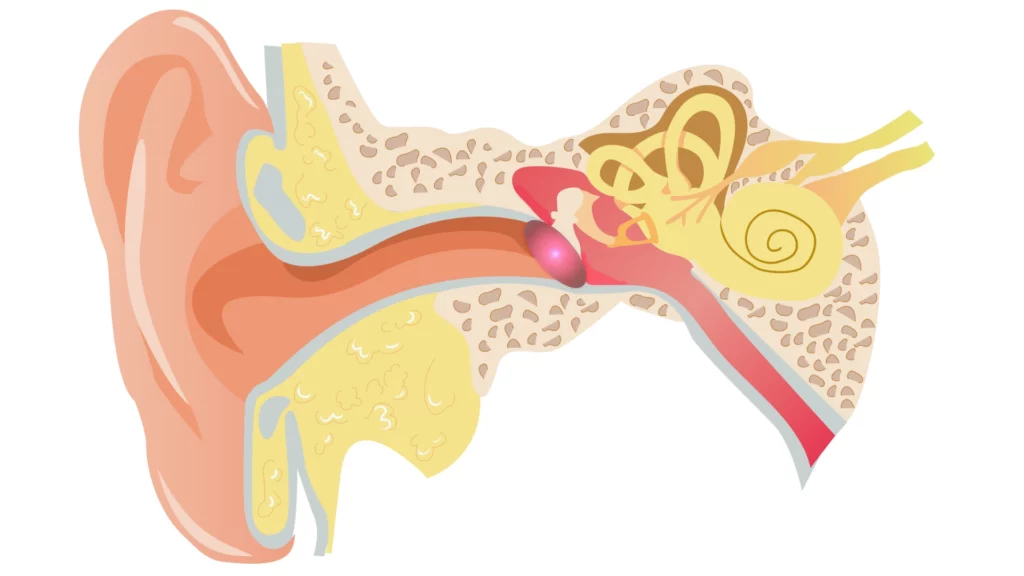
Acute Congestive Otitis Media
This is the first stage of otitis media. The infection begins, the eardrum becomes inflamed and reddened. At this point, the child may have a slight fever and moderate ear pain. This stage is very common in children aged 6 months to 3 years. A 48-hour observation period is generally recommended, as otitis media can heal on its own. For this reason, healthcare professionals will not prescribe antibiotics for otitis media.
Acute Purulent Otitis Media
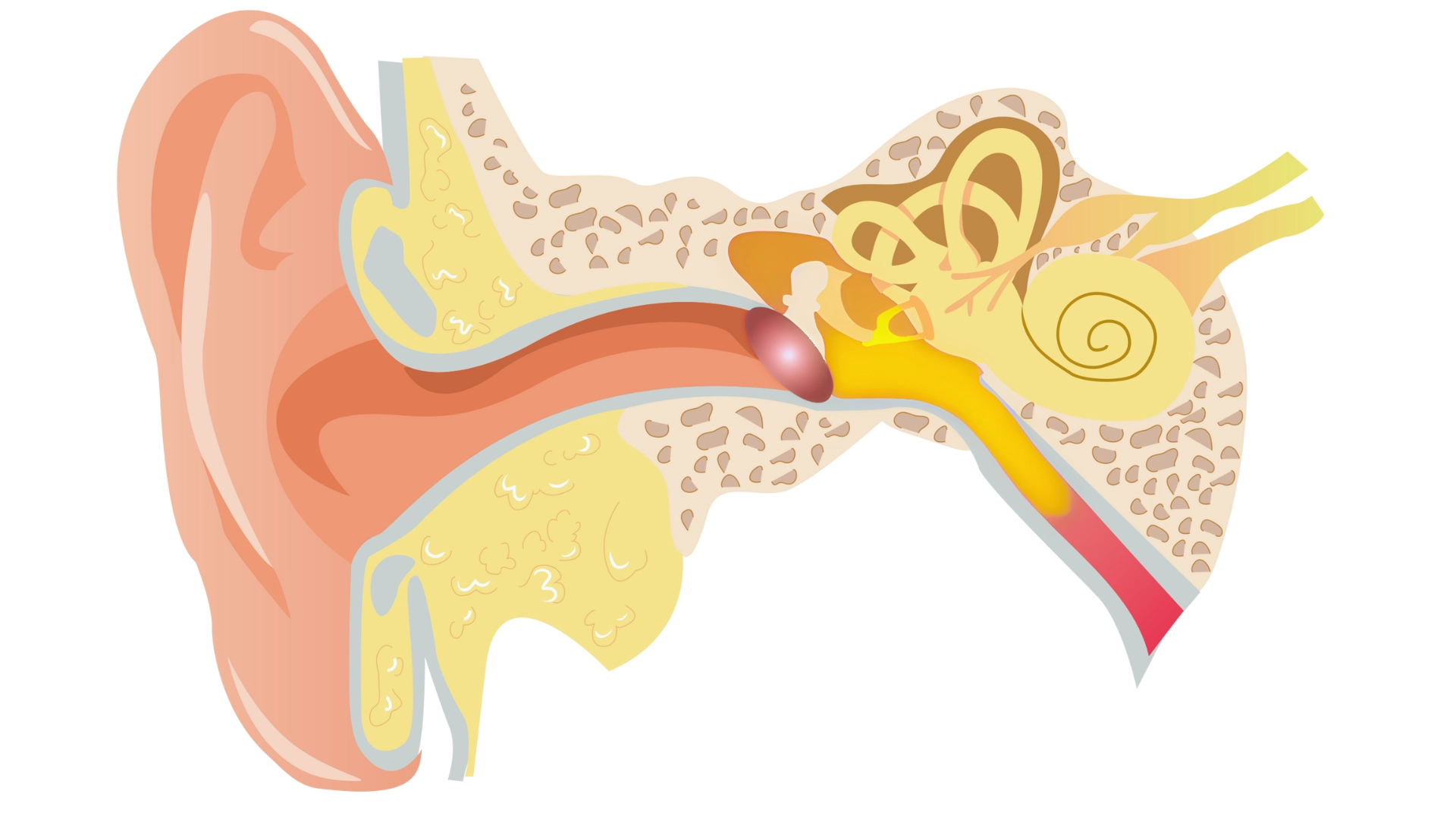
In the second stage, pus accumulates behind the eardrum. The pain becomes intense, fever may rise, and the child becomes particularly irritable. This form of otitis can be viral or bacterial in origin. During diagnosis, the doctor assesses the situation to decide whether or not to prescribe antibiotics. The pressure exerted by the pus can push the eardrum outward or even cause it to perforate. In some severe cases, the infection can spread, particularly to the inner ear or mastoid bone.
Serous Otitis Media
Serous otitis media corresponds to a healing phase after the acute episode. The pus gradually turns into a clear fluid, then disappears with the gradual return of air to the middle ear within three months. The child no longer feels pain or fever, but may suffer from temporary hearing loss.
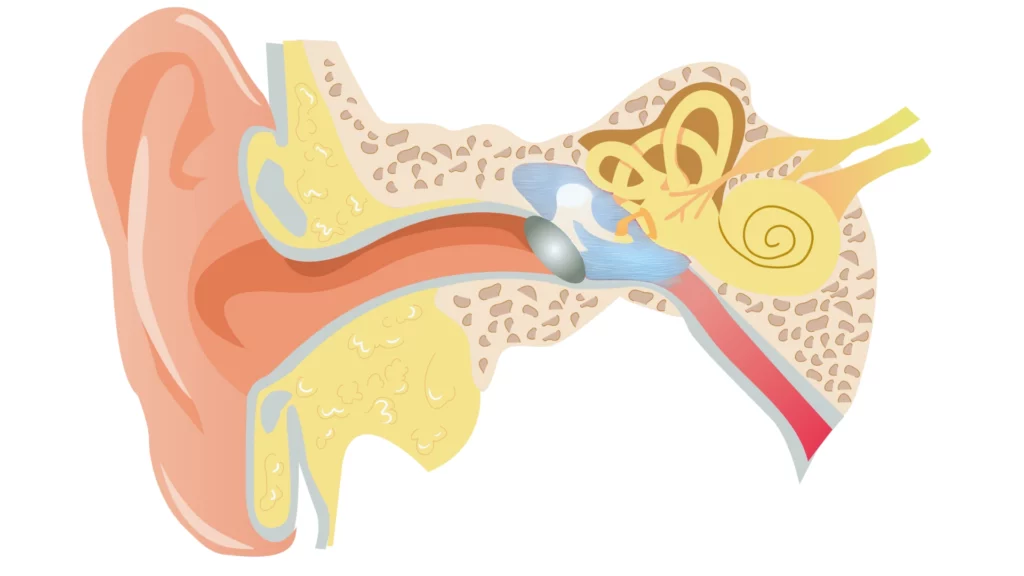
Serous Otitis Media
When serous otitis persists for more than three months, it is referred to as seromucous otitis. It is a silent and insidious form of the condition: the child does not complain, has no fever or pain, but their hearing is impaired. If it lasts too long, this chronic inflammation can damage the eardrum, causing it to collapse inward. Seromucous otitis media is the leading cause of trans-tympanic ventilation tubes.
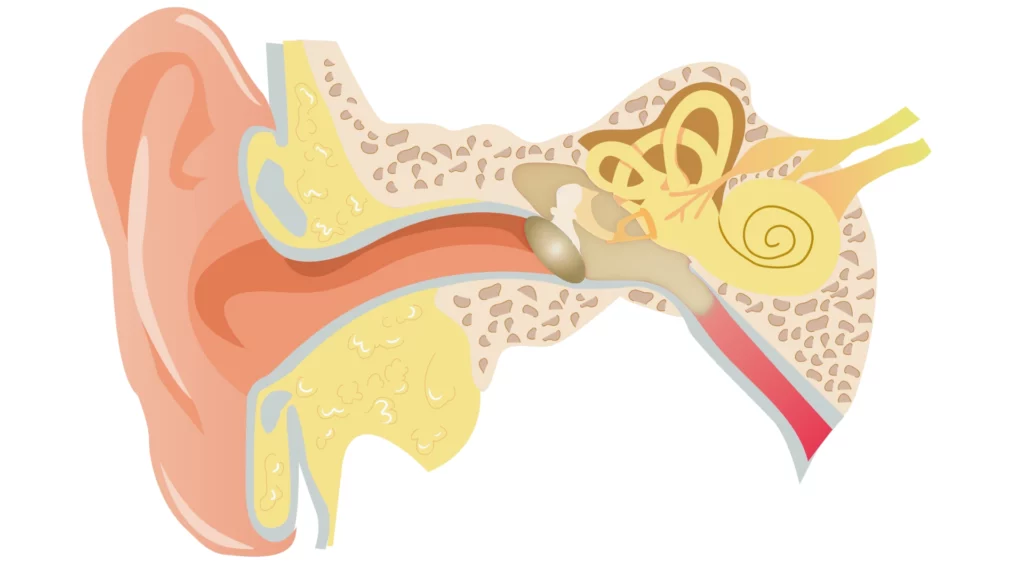
Chronic Otitis Media
It is characterized by repeated inflammation of the middle ear, alternating between acute and serous otitis media, without a complete return to normal. In the long term, this can lead to deterioration of the eardrum and permanent hearing loss.
Symptoms of Otitis Media
Symptoms may vary depending on the child’s age, but certain signs should alert you:
- Irritability.
- Fever.
- Repeated rubbing or pulling of the ear.
- Loss of appetite.
- Temporary hearing loss.
Causes of Otitis Media
Middle ear infections often occur following respiratory infections, such as a cold or nasopharyngitis. In young children, the immaturity of the Eustachian tubes prevents proper drainage of secretions, which promotes the development of infections. Group settings (daycare centers, schools) also increase the risk of contamination. Finally, passive smoking is an aggravating factor that is often underestimated.
Treatments for Otitis Media
If otitis media is suspected, a 48-hour monitoring period is recommended before the first medical consultation. The healthcare professional will be able to make an accurate diagnosis by examining the eardrum and decide whether or not to prescribe treatment.
Antibiotics should only be administered on medical advice! The following is the standard antibiotic treatment for otitis media:
- Amoxicillin.
- Amoxicillin/Clavulanic Acid (Augmentin), more potent.
Ear infections are the leading cause of antibiotic prescriptions in pediatrics, hence the value of Ear infections are the leading cause of antibiotic prescriptions in pediatrics, hence the value of OTICHECK and the mobile app for monitoring recovery. and the mobile app for monitoring recovery.
How can otitis media be prevented?
Certain simple measures can limit the risk of developing otitis media:
- Ensure good nasal hygiene.
- Avoid exposure to cigarette smoke.
- Encourage breastfeeding whenever possible.
- Carefully monitor the progression of episodes using a dedicated mobile app. Monitoring allows for the rapid detection of recurrence or complications.
What are the risks of complications from otitis media?
Neglected otitis media can lead to:
- Severe pain (earache) can affect a child’s peace of mind and sleep.
- Perforation of the eardrum, which will also stiffen with each reconstruction.
- Chronic ear infections causing damage to the eardrum.
- Hearing loss that goes undetected can lead to delays in language acquisition.
In the most severe cases, the infection can spread and cause mastoiditis or internal otitis.
Our devices help you detect and monitor otitis media.
O-TECHNO has designed two devices to help parents detect and monitor middle ear infections:
- OTICHECK : un détecteur d’otite non invasif, doté d’un simple voyant lumineux rouge ou vert. Facile d’utilisation, il permet d’avoir un premier signal d’alerte en cas d’infection potentielle.
- A mobile app that helps you record symptoms, track episodes, receive personalized advice and alerts, and better communicate with your doctor.
Discover our devices: