
Otitis Interna
What is otitis interna?
Internal otitis is an inflammation of the inner ear, also known as the labyrinth, an area essential for balance and hearing. It can occur as a result of a viral or bacterial infection, and is often a complication of acute purulent otitis media that has been poorly treated or undiagnosed.
In the anatomical cross-sections below, you can compare a healthy ear with the area of the ear where otitis interna occurs.
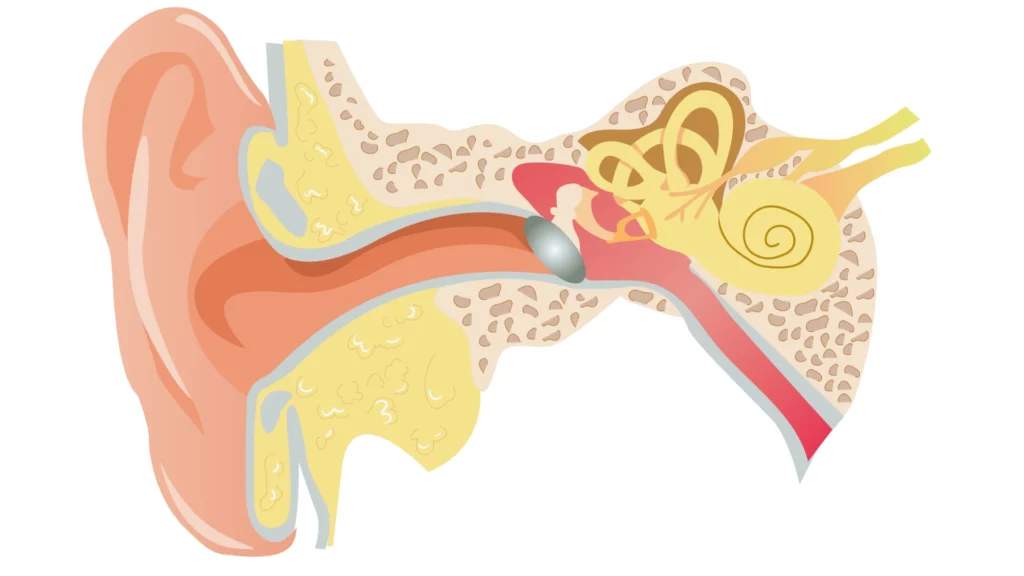
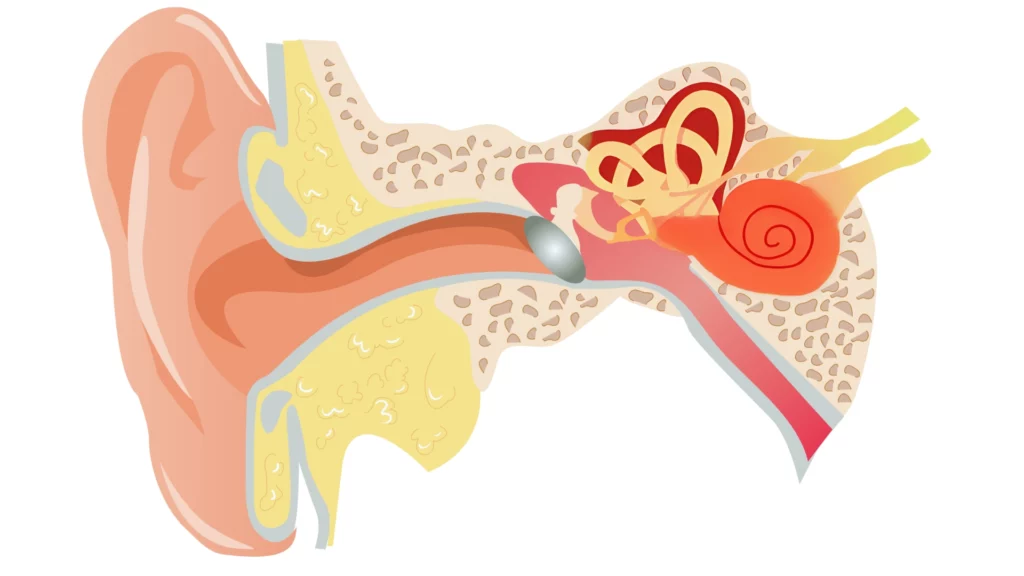
It is rare in children, but its occurrence should always be cause for concern as it can lead to lasting effects if not properly treated.
The different forms of otitis interna
- Viral labyrinthitis: This is the most common form in children. It is often linked to a viral infection (cold, flu, etc.) that spreads to the inner ear.
- Bacterial labyrinthitis: Rarer but more serious, this form requires urgent medical attention. It is often secondary to poorly treated otitis media.
- Vestibulitis: This mainly affects the structures responsible for balance, with symptoms that are often dramatic, such as dizziness or loss of coordination.
Symptoms of Otitis Media in Children
The signs of otitis interna can be alarming. Here are the most common ones:
- Vertigo.
- Balance disorders.
- Nausea or vomiting.
- Sudden hearing loss.
- Sometimes: fever and headache.
These symptoms require immediate medical attention, especially if the child is unable to walk straight or appears disoriented.
How is otitis interna diagnosed?
An ENT examination is essential for diagnosing otitis interna. The doctor may perform:
- Balance tests.
- Hearing tests.
- Medical imaging (MRI or CT scan) in complex cases.
Internal otitis can only be diagnosed during a specialist consultation.
Treatments for Internal Otitis?
Treatment depends on the source of the infection:
- Antivirals in cases of viral causes.
- Antibiotics and corticosteroids if the cause is bacterial.
- Rest and close medical supervision.
- Sometimes hospitalization is necessary.
The outcome is often favorable, but follow-up is essential.
Can otitis interna be prevented?
It is not always possible to prevent otitis interna directly, but you can significantly reduce the risks:
- Treat ENT infections (colds, otitis media, etc.) promptly.
- Keep vaccinations up to date.
- Track symptoms with the mobile app.
- Detect otitis media early with OTICHECK before it develops into otitis interna.
The mobile app allows users to identify worrying symptoms and easily share them with a healthcare professional.
Why is follow-up essential after otitis interna?
Even after recovery, otitis interna can leave traces. It is therefore essential to:
- Monitor for possible hearing loss.
- Identify persistent balance disorders.
- Look for any indirect signs: difficulty concentrating, delayed speech.
A symptom tracking journal allows you to act quickly in the event of a recurrence.
The O-TECHNO Mobile Application will allow you to monitor the progression of otitis interna.
The O-TECHNO mobile app is designed to support families in post-otitis care. Key features:
- Recording episodes.
- Hearing history.
- Adding personal notes.
- Healthcare reminders.
- Sharing information with the ENT specialist.
OTICHECK is not designed to detect inner ear infections, but it can detect middle ear infections, which is essential for preventing complications. Combined with our mobile app, it helps you keep track of all types of ear infections.